
Industrial manufacturing
Many plants, each one different. One finance-grade dataset.
Every plant records energy, materials and waste its own way. Sprih is configured around those processes, not the other way round, and turns them into checked, approved and locked figures that any regulator, customer or auditor can follow.
Cost and emissions per unit Last 12 months
Needs your attention
What Sprih does for manufacturers
Four jobs. One dataset underneath all of them.
Plant costs, supplier inputs, compliance reporting and targets all run on the same plant records. Collect them once, the way each plant already works, and every job draws on them.
Cut operating cost
The problem in manufacturing
Different products and processes mean every plant uses energy differently, so it is hard to see which one to fix first.
With Sprih
Energy and resources per unit of output benchmarked across plants, anomalies flagged as data lands, and each fix sized in cost and carbon.
De-risk the supply chain
The problem in manufacturing
Bought-in materials and parts drive much of the footprint, and many suppliers have never reported emissions.
With Sprih
Supplier data read in any format, supplier-specific factors where they exist, and a view of which suppliers to engage first.
Report with confidence
The problem in manufacturing
Regulators, customers and the board each want the data cut differently, and auditors expect it to hold up like financial data.
With Sprih
One approved, locked dataset produces regulatory disclosures, customer requests and board updates, with every change logged by who and when.
Decarbonize with a plan
The problem in manufacturing
Efficiency, fuel switching and waste projects run plant by plant, with no shared view of what each one delivers.
With Sprih
Every lever priced against cost, projects logged against the plants they affect, and progress tracked plant by plant.
How it works in Sprih
Configured to the plants. Not the other way round.
Finance-grade data, with no change to how plants work.
A large, diversified manufacturer with many plants, each managing very different waste streams, now runs its compliance data on Sprih. Reporting effort is down 75% per cycle and audit queries fell from 500+ to 50+, with no retraining and no new systems for plant teams.
04
Report to anyone
Regulators, customers and the board, from one dataset
03
Check and lock
Maker–checker approval and period locks
02
Bring it in
Uploads, integrations and direct entry
01
Map the current flow
Set up around how each plant records data
Core
Your plant records
Energy, materials and waste, as plants keep them
Foundation
Select a step to explore it
Results
Proof, not promises. Real outcomes from teams running on Sprih.

Biotech
2.5×
Companies
Platform value grew in just two years.
Year 0
Year 2
2.5× value
Read the story
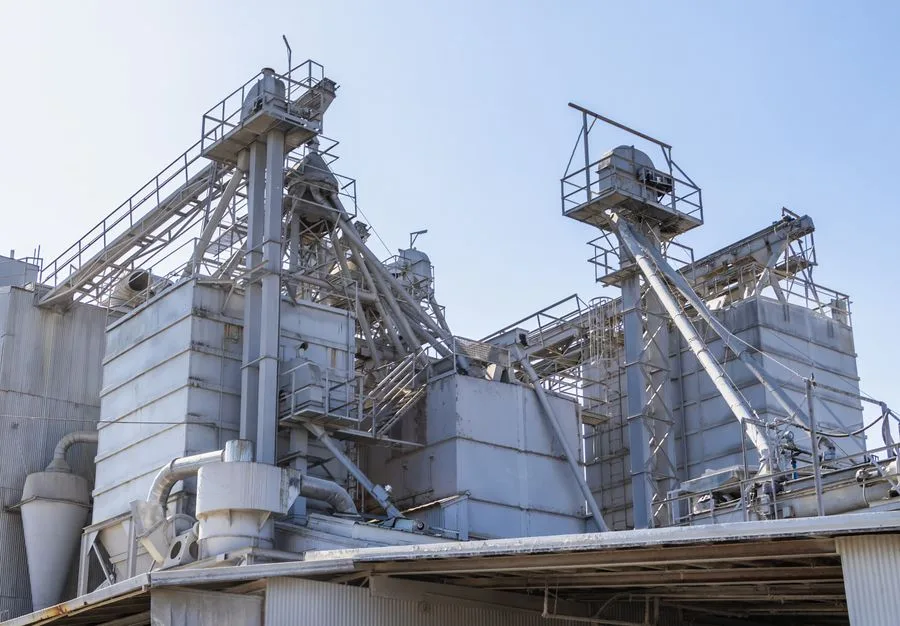

Building materials
70%
Companies
Less time spent on sustainability reporting.


Chemicals
6.21%
Companies
Lower manufacturing emissions intensity.
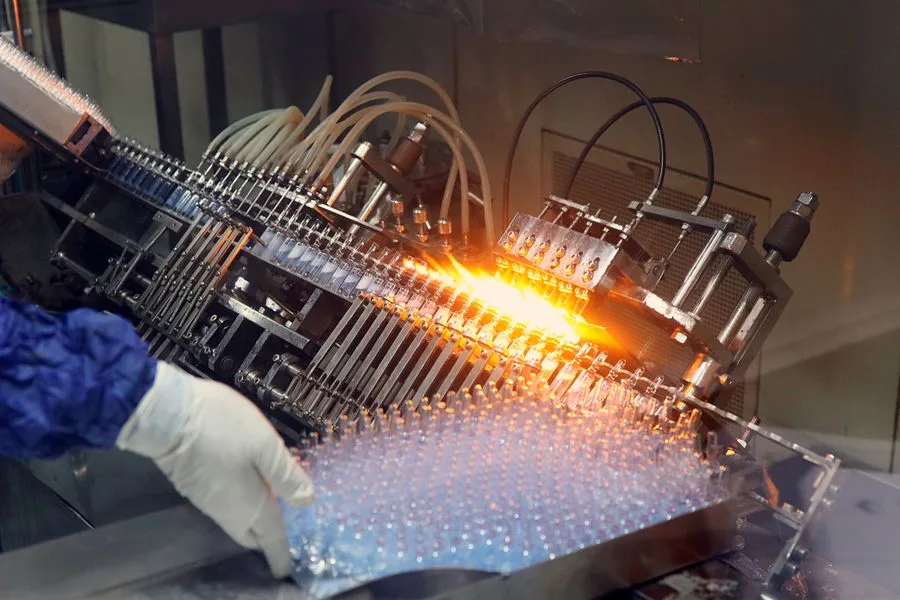

Pharma manufacturing
−14%
Companies
Absolute emissions cut, with SBTi approval.
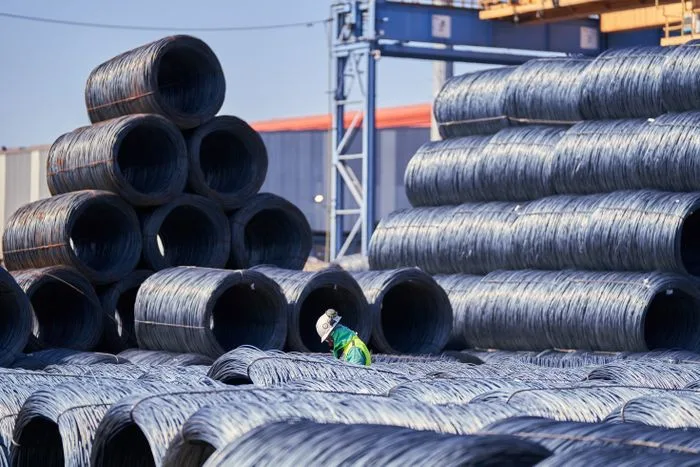
Name withheld
Metals
$1M+
Saved by an aluminum producer running 20,000+ custom factors.
Regulations that apply
The rules manufacturers report against. One dataset behind all of them.
India · Listed
BRSR
SEBI's sustainability report for listed companies, with reasonable assurance on BRSR Core.
Read the BRSR guide
EU · Disclosure
CSRD
Sustainability statements to the ESRS for companies with EU operations or revenue.
Read the CSRD guide
EU · Exports
CBAM
Embedded emissions for iron, steel, aluminium and other covered goods shipped into the EU.
Read the CBAM guide
US · California
SB 253 & SB 261
Scope 1, 2 and 3 emissions and climate-risk reports for large companies doing business in California.
Read the SB 253 guide
Not sure which rules apply to your plants and markets?
Frequently
Asked Questions
Do our plants have to change how they record data?
No. Sprih is configured around how each plant already records energy, materials and waste. Plant teams keep their process, and the platform adapts to it, so adoption comes without retraining.
Can Sprih handle different waste streams at each plant?
Yes. Hazardous and non-hazardous waste, recycling, co-processing and disposal are recorded by type and treatment method for each plant, and roll up into one structure by plant and business unit.
How does Sprih make the data audit-ready?
Quality checks, maker–checker approval and period locks run before reporting. Every change is logged with who made it and when. One manufacturer cut audit queries from more than 500 to about 50 per cycle.
Can one dataset serve regulators, customers and the board?
Yes. The same approved data produces regulatory disclosures, customer requests and board updates. SustainSense drafts each report, and the team reviews instead of rebuilding the numbers.
How do we compare energy use across plants?
Sprih benchmarks energy and resources per unit of output across plants and lines on the same terms, and flags anomalies as soon as the data arrives, so you know which plant to fix first.
Which frameworks does Sprih support?
One governed dataset feeds the GHG Protocol (Scope 1, 2 and 3), BRSR and BRSR Core, CSRD and ESRS, CBAM, California SB 253, CDP, GRI, TCFD and SBTi target setting, along with the formats your customers ask for.
Other industries
Sprih across industries. The same platform, shaped to each one.
Metals & mining
Cost, CBAM and carbon in one record
Automotive
Component emissions on request
Chemicals & coatings
Lower emissions per unit
Consumer goods
Energy, water and waste
Life sciences
Audit-ready, any language
Financial services
Thousands of locations
Logistics
Emissions per shipment
Aviation
Supplier risk, mapped
All solutions
By industry and by regulation

That’s industrial manufacturing
GET STARTED
Finance-grade data from every plant, without changing how they work.